
Women's Receding Hairline: Restoration & Design
Clinical approach to female hairline restoration with feminine design principles.
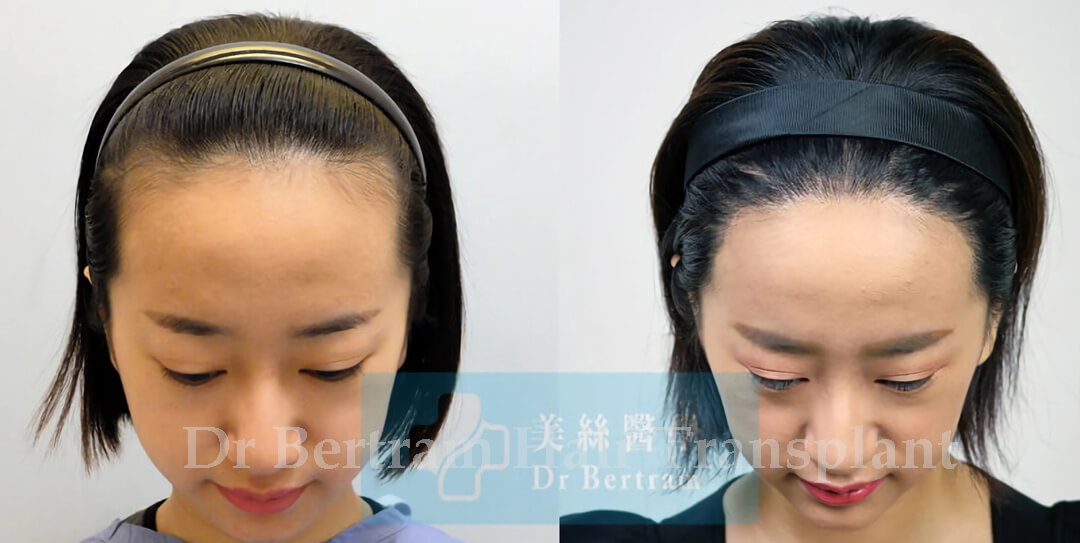
Candidacy Considerations
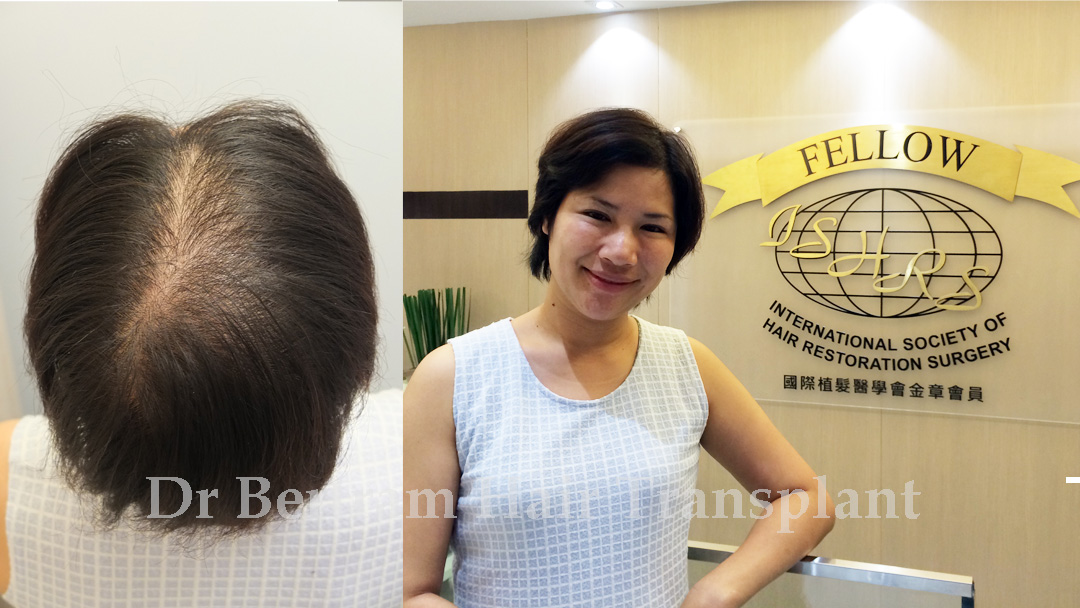
Considerations for Treatment
- Stable female pattern hair loss with dense donor area
- Traction alopecia (tension ceased for 6+ months)
- Naturally high hairline (congenital)
- Masculine hairline shape requiring refinement
Not Good Candidate
- Active scarring conditions (e.g., frontal fibrosing alopecia)
- Unstable donor zone with miniaturization
- Unresolved hormonal or nutritional deficiencies
- Expectations not aligned with clinical feasibility
Feminine Hairline Design
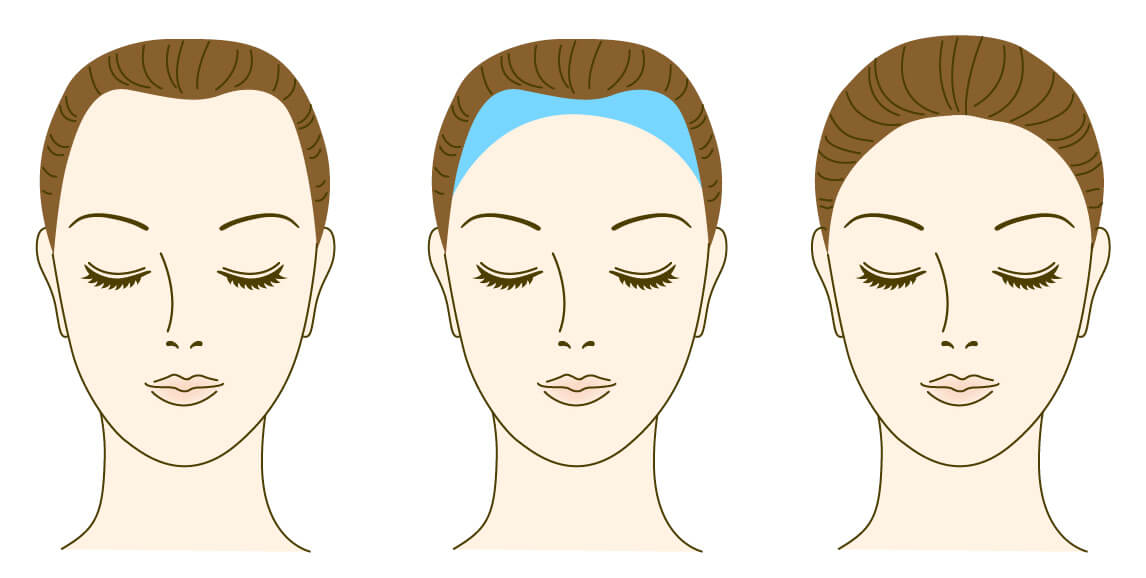
- Natural pattern preservation: Extends existing hairline 1–2 cm while maintaining natural flow.
- Strategic corner refinement: Fills fronto-temporal corners to eliminate angular shapes.
- Personalized design: Based on facial proportions, hair texture, and density.
- Soft transition: Single-hair grafts at the front for an irregular, feathered edge.
Procedural Planning
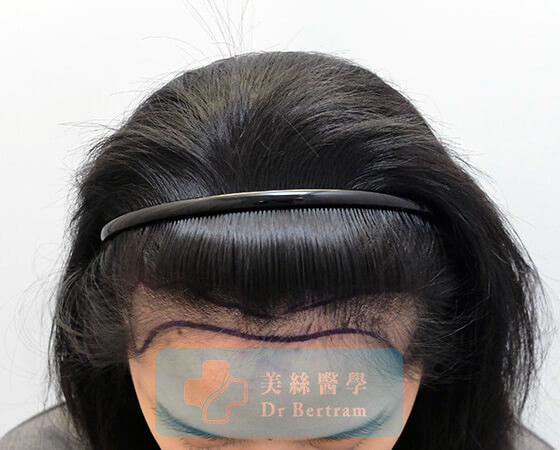
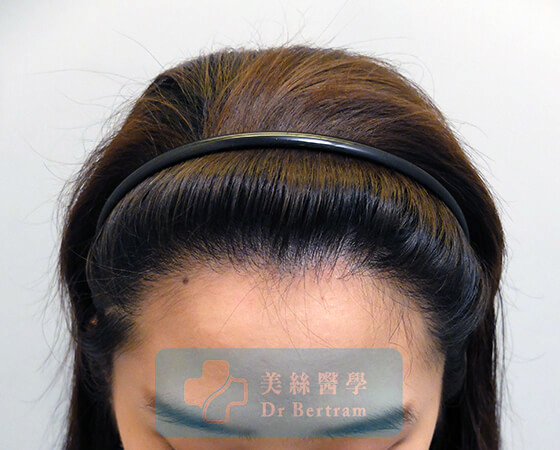
Graft Requirements
1,800–2,400 grafts (2,400–4,000 hairs). Focus on fronto-temporal triangles.
Technique
FUE is commonly used to avoid a linear scar.
No-Touch Insertion is used to minimise graft damage.
Realistic Expectations
Realistic Outcomes
Natural feminine frame, softened temporal angles, facial harmony. Ages gracefully.
Unrealistic Expectations
Extremely low hairlines, celebrity-inspired designs ignoring facial structure, density exceeding donor capacity.
Frequently Asked Questions
Q: Can women with FFA have a hair transplant?
Generally not recommended. Active scarring conditions should be stabilized with medical management before considering hair transplant.
Q: How long must hair loss be stable before hair restoration?
Documented stability with no active shedding is typically required.
Q: Will the result look natural?
Feminine design uses single-hair grafts at the front and soft transitions to preserve natural flow.
Q: Is one session enough?
Typically, one session of 1,800–2,400 grafts is sufficient. Minor touch-ups may be considered.