
Myths About Graft Survival Rates
Moving beyond unverifiable statistics to focus on aesthetic reality and biological truth.
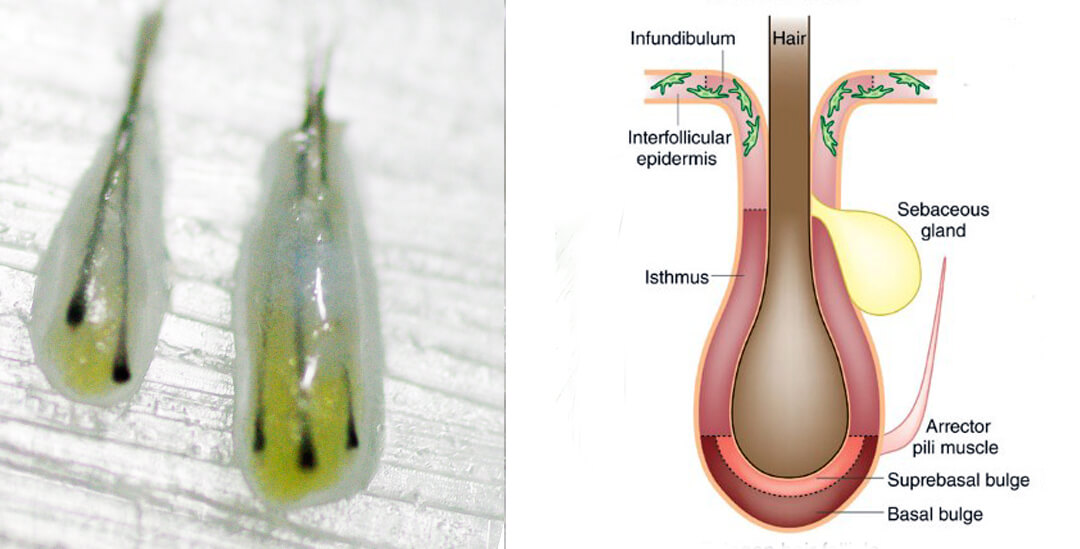
Should Patients Trust Clinics Advertising "98% Survival"?
No. Such precise percentages are marketing constructs, not measurable medical outcomes. There is no standardized, ethical methodology to calculate this figure accurately for individual patients in a clinical setting. Focusing on this unverifiable number distracts from the critical factors that determine success: the surgeon's strategic planning, artistic design, and management of the patient's specific hair characteristics.
Why Measurement Is Impossible
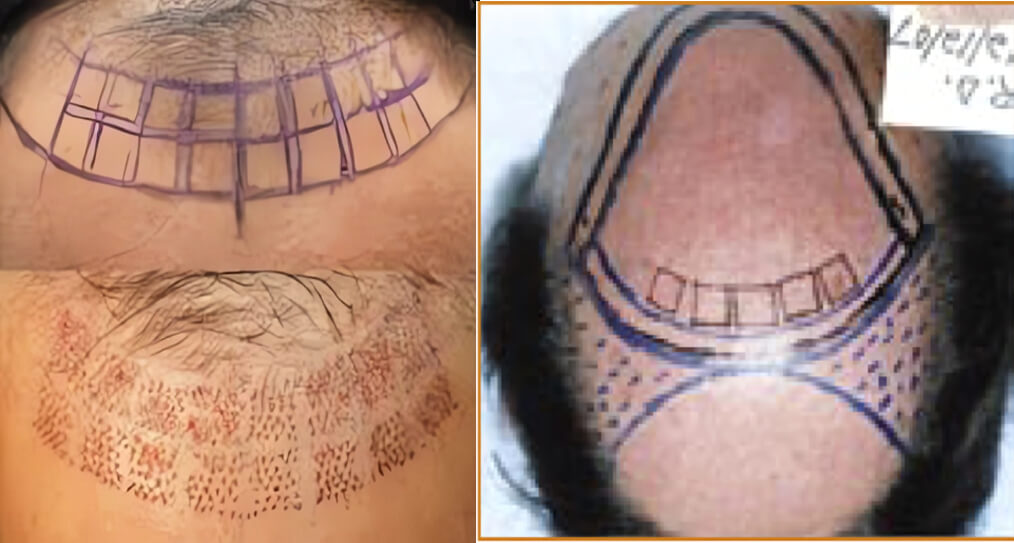
True survival means a transplanted follicle produces a growing, terminal hair 12–18 months post-op. Accurately measuring this requires a protocol that is clinically impractical:
- Permanent Tattooing: The only way to mark exact counting areas is via permanent ink grids on the scalp—a method ethically unacceptable to patients.
- Isolating Transplanted Hair: Differentiating between newly transplanted hairs and pre-existing native hairs in the same zone is visually impossible when the result is natural.
- Accounting for Hair Cycles: At any given time, 10–15% of hairs are in a resting (telogen) phase. A single-point count will inevitably miss these dormant but viable follicles, rendering the data inaccurate.
Why Are These Statistics Scientifically Misleading?
Three fundamental biological and practical realities make the "magic number" a fiction rather than a fact.
Key Factors
- The "Mixed Forest" Problem: In most cases, grafts are placed among existing native hair. Without knowing exactly how many native hairs were lost to progression or gained via thickening over time, any final count is meaningless for calculating transplant-specific survival.
- Individual Biological Variability: Outcomes depend on unique patient factors—hair caliber, scalp laxity, and healing response—not a clinic's historical average. Coarse hair provides significantly more visual coverage than fine hair, regardless of the survival percentage.
- The Illusion of Precision: Claims of "97.5%" imply laboratory-grade accuracy. Published peer-reviewed studies show wide variances in survival rates, and none utilize the permanent tattooing method required for such precision in a routine clinical setting.
Clinics quoting specific high percentages often rely on estimates or selective counting rather than rigorous scientific measurement.
What Does Peer-Reviewed Literature Say?
Even under ideal research conditions, reported survival rates vary widely. Crucially, no major study uses permanent scalp tattoos for exact re-counting due to ethical and practical constraints.
Note: The variance in these reputable studies highlights the lack of a single, universal standard for measurement.
What Metrics Should Patients Evaluate Instead?
Rather than chasing an unreliable statistic, evaluation should shift to tangible, patient-centered outcomes that reflect true surgical skill.
Key Evaluation Criteria
- Natural Appearance: Does the hairline design follow facial proportions? Is the graft placement undetectable, with proper angle and direction?
- Donor Area Preservation: Is the donor zone minimally impacted, with no visible over-harvesting? This ensures resources remain for future needs.
- Patient Satisfaction: Do before-and-after photos demonstrate results that meet realistic expectations for similar hair loss patterns and hair types?
- Strategic Transparency: Can the surgeon clearly explain the long-term plan, including density goals, donor management, and potential limitations?
A trustworthy practice prioritizes these observable realities over abstract numbers.
Honest Indicators of Clinical Skill
Look for evidence of consistent, ethical practice rather than marketing promises.
💡 Diverse Galleries
Extensive before-and-after portfolios showing a wide range of hair types, textures, and Norwood stages, proving versatility.
💡 Transparent Limitations
Open discussion about what cannot be achieved with a patient's specific donor supply, demonstrating honesty over salesmanship.
💡 Peer Recognition
Invitations to speak at conferences or participate in forums like ISHRS Live Patient Viewing, where results are scrutinized by expert peers.
Core Principles of Outcome Evaluation
- Statistical Impossibility: Precise survival rates cannot be ethically or practically measured in live patients without invasive, unacceptable methods like permanent tattooing.
- Biological Variability: Individual factors (hair caliber, scalp laxity, healing response) dictate results more than any clinic's average statistic.
- Aesthetic Priority: A "successful" transplant is defined by natural appearance and patient satisfaction, not a theoretical percentage.
- Marketing vs. Medicine: Claims of "97.5%" or "98.3%" imply laboratory precision that does not exist in surgical reality.
- Evidence-Based Assessment: Trustworthy evaluation relies on diverse before-and-after galleries, transparent planning, and peer recognition, not advertised numbers.