
Eyebrow Transplant Recovery & Aftercare
A practical guide to healing, growth, and long-term maintenance.
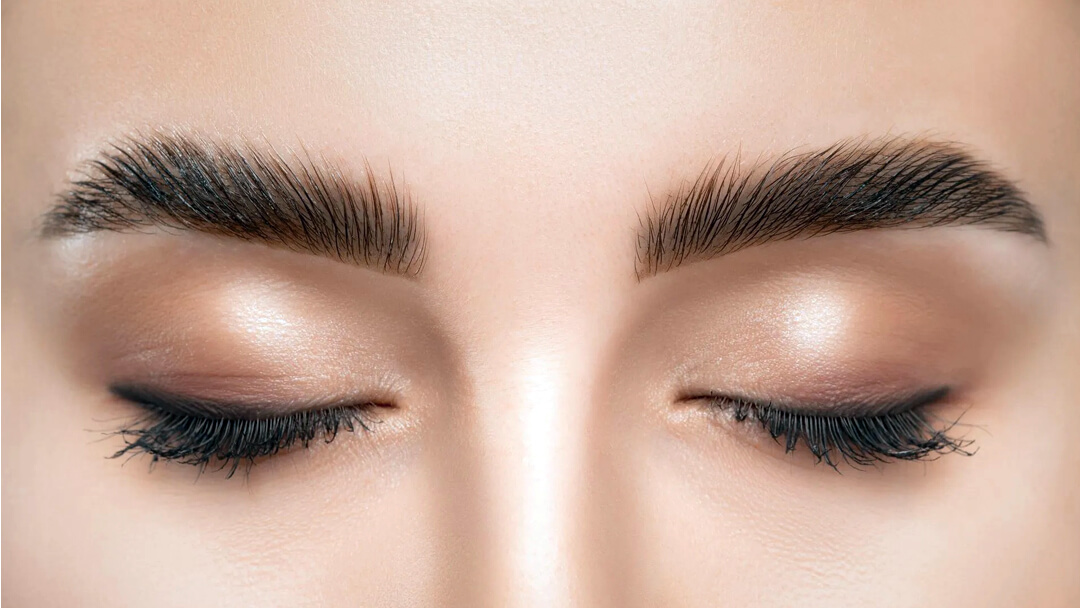
Understanding the recovery process is essential for achieving the best possible outcome from your eyebrow transplant. This guide covers the healing timeline, aftercare instructions, and what to expect at each stage – from the day of the procedure to long-term maintenance.
💡 Key Difference from Scalp Transplants: Unlike scalp hair transplants where shedding is common, eyebrow grafts typically do not shed. The initial darker appearance is due to bruising and clot formation – this resolves naturally over 4-6 weeks.
Recovery Timeline
Setting realistic expectations is crucial for a smooth recovery. Below is a week-by-week and month-by-month guide.
Procedure Day
- Duration: 3–4 hours under local anesthesia.
- Immediate appearance: The transplanted area may appear darker due to bruising and clot formation – this is normal and temporary.
First 10 Days
- Cleansing: Gentle cleansing with a mild cleanser applied with a cup or spray. Pat dry – do not rub.
- Ointment: Apply a thin layer of moisturizing ointment as directed.
- Sleeping: Keep your head elevated at a 45-degree angle (2–3 pillows) for the first 3 days to minimize swelling.
- Activity: Avoid touching the area, strenuous exercise, heavy lifting, and bending over.
- Makeup: Avoid makeup on the brow area for at least 10 days.
- Swelling: Typically subsides within 3–5 days. Continue elevated sleeping until resolved.
Weeks 2–4
- Crust shedding: Small scabs may flake off naturally. Do not pick – allow them to fall off on their own.
- Hair shedding: Unlike scalp transplants, eyebrow grafts do not typically shed. The hairs tend to retain and continue growing.
- Activity: Light, non-sweaty activities may be permitted.
- Initial trimming: After healing, long hairs may be gently trimmed with blunt-tip scissors.
Weeks 4–6
- Natural appearance: The transplanted area begins to look more natural as initial redness and bruising subside.
- Hair texture: Hairs may appear finer and more integrated with existing eyebrow hairs.
Months 4–6
- Growth visible: New permanent hair begins to emerge and visible growth becomes evident.
- Touch-up: If there is no visible growth or density appears insufficient, a touch-up procedure may be considered at 6 months (not earlier). This is not uncommon and allows for refinement.
Month 12
- Final results: Full growth and final outcome are visible. The transplanted hairs have achieved their mature texture, direction, and density.
Long-Term Maintenance
- Permanent results: Transplanted hairs continue to grow for a lifetime.
- Regular trimming: Because they are scalp-derived hairs, they grow continuously and require regular trimming (every 1–2 weeks initially; growth may slow over time, potentially requiring less frequent trimming).
Lifestyle & Clinical Observations
Lifestyle Considerations
- Smoking: Nicotine may affect healing. Discuss with your physician.
- Sun protection: UV exposure may affect healing. Sunscreen or a wide-brimmed hat is recommended.
- Diet: Avoid alcohol and certain medications as advised.
- Follow-up: Attend all scheduled appointments as advised.
Common Observations
- Swelling or bruising: Typically temporary, resolves within one week.
- Small bumps: May occur and typically resolve with warm compresses.
- Temporary numbness: Sensation typically returns within months.
- Itching: Common during healing. Avoid scratching.
Frequently Asked Questions
Q: When can I wear makeup?
Makeup on the brow area is typically avoided for at least 10 days.
Q: When can I swim or shower normally?
Swimming is typically avoided for 4 weeks. Showering is permitted but avoid direct water pressure on brows.
Q: Will the result appear natural?
Single-hair grafts placed at shallow angles support a soft, feathered appearance.
Q: How often do I need to trim?
Regular trimming every 1–2 weeks initially. Growth may slow over time, requiring less frequent trimming.
Q: Do transplanted eyebrow hairs shed?
No – unlike scalp transplants, eyebrow grafts typically do not shed. The initial darker appearance is due to bruising and clot formation.
Q: Is a touch-up procedure common?
Yes. If there is no visible growth at 4–6 months, a touch-up may be considered. This is not uncommon and allows for refinement.
Key Points to Remember
- Eyebrow grafts do not shed – unlike scalp transplants, the hairs typically retain and continue growing.
- Initial darkness is normal – bruising and clot formation create a darker appearance that resolves over 4-6 weeks.
- Results become natural at 4-6 weeks – redness and bruising subside, and the brows begin to look more integrated.
- Touch-up may be needed – if growth is insufficient at 4-6 months, a refinement procedure can be performed.
- Results are permanent – transplanted hairs continue to grow for a lifetime, requiring regular trimming.