
眉毛移植
眉毛重建手術的臨床概覽——從歷史起源到現代技術。
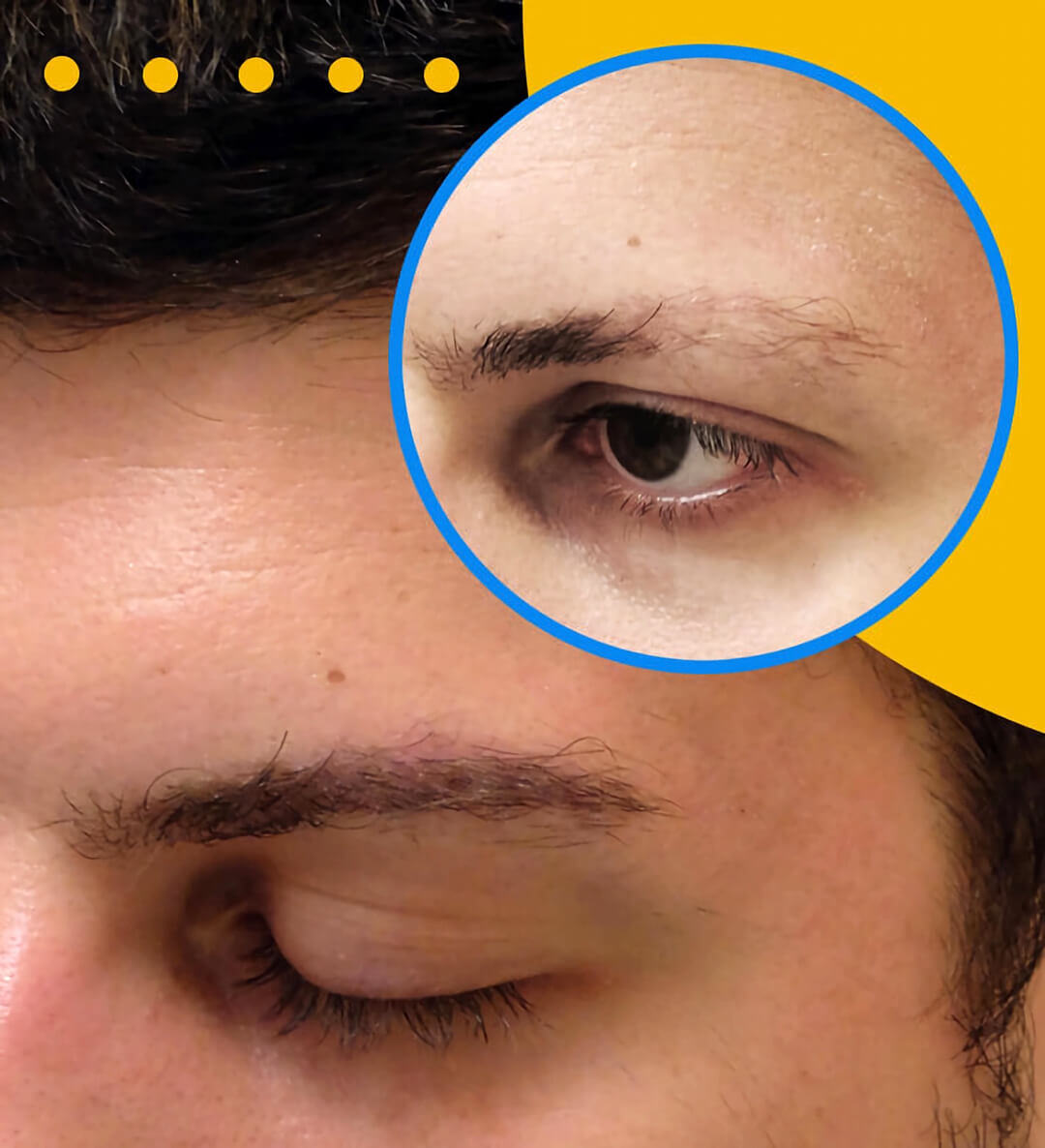
眉毛移植的歷史起源
Dr. Okuda —— 先驅者(1932年)
眉毛移植的起源可追溯至 1932 年,當時日本皮膚科醫生 Dr. Shoji Okuda 發表了他在毛髮移植方面的開創性研究。Dr. Okuda 研發了一種技術,從頭皮摘取小型打孔移植體,並將其移植到脫髮區域——包括眉毛。
他的技術涉及使用 3-4mm 打孔器 從捐髮區摘取毛囊,然後植入以類似打孔器製作的受區。這在當時是一項重大突破,證明了毛髮可以成功移植到身體的不同部位。
主要貢獻:
- 首次有文獻記載將毛髮移植用於眉毛重建。
- 證明毛囊在移植到身體不同部位後仍能存活。
- 確立了毛髮特性(如捲曲度及顏色)在移植後得以保留的原則。
為何 Dr. Okuda 的研究長期未被認識
儘管其研究極具意義,Dr. Okuda 的發表在數十年間 在日本以外幾乎無人知曉。他的論文發表於日本期刊,當時正值政治孤立時期,而第二次世界大戰的爆發進一步限制了國際間的傳播。
直至 1950 及 1960 年代,西方醫生——尤其是美國的 Dr. Norman Orentreich——才獨立地重新發現了毛髮移植的原則,促使這項技術在西方獲得廣泛應用。
眉毛移植何時開始普及
眉毛移植在 1990 年代末至 2000 年代初 之前,一直屬於較小眾的手術。其後多個因素促進了它的普及:
- FUE 技術的進步:毛囊單位摘取術(FUE)的發展使得更小、更精細的移植體成為可能——非常適合精細的眉毛區域。
- 美學意識提升:對面部美學及儀容的關注增加,推動了對眉毛重建的需求。
- 媒體影響:名人及公眾人物公開談論他們的眉毛重建手術,減少了污名化並提高了公眾認知。
- 技術改進:在移植體處理、植入角度及髮際線設計方面的改良,使效果更趨自然。
時至今日,眉毛移植已成為最常進行的面部毛髮重建手術之一,當由經驗豐富的醫生執行時,患者滿意度極高。
眉毛移植的科學原理
捐髮區主導性
所有毛髮移植——包括眉毛重建——的基礎科學原理是 捐髮區主導性。這個概念最早於 1950 年代提出,指出毛囊即使在移植到不同的解剖位置後,仍能保持其原有的生長特性。
- 基因抵抗性:來自頭皮捐髮區(通常為後枕部)的毛囊在基因上對 DHT 具有抵抗性,意味着它們不受荷爾蒙影響而持續生長。
- 生長特性:移植的毛髮保留其原有的生長週期、質地及顏色——它們不會採用受區的特性。
- 終生生長:與生長週期較短的眉毛毛髮不同,頭皮毛囊的編程是持續生長的(生長期長達 2-6 年)。這意味着移植的眉毛毛髮會 持續生長,需要 定期修剪。
眉毛移植的實際應用
- 方向與角度:毛髮必須以 自然角度 植入眉毛——通常與皮膚表面呈 10-15 度角,而非頭皮移植中使用的垂直角度。
- 單根毛囊移植體:眉毛重建需要使用 單根毛囊移植體(僅含一個毛囊),以達致自然、柔和的外觀。
- 漸層技術:最自然的效果採用 漸層技術——以逐漸、分層的方式放置毛髮,模仿自然眉毛的形態。
眉毛毛髮的生長週期
了解毛髮生長週期,對於在眉毛移植中建立合理的期望至關重要。
比較:頭皮與眉毛毛髮生長週期
| 特性 | 頭皮毛髮 | 眉毛毛髮 |
|---|---|---|
| 生長期(Anagen) | 2-6 年 | 4-6 個月 |
| 退行期(Catagen) | 2-3 週 | 1-2 週 |
| 休止期(Telogen) | 2-4 個月 | 2-3 個月 |
| 長度 | 持續生長(可達 100 厘米以上) | 有限(0.5-1.5 厘米) |
為何這很重要
- 移植的頭皮毛髮不會像眉毛一樣週期性脫落:與自然眉毛生長至固定長度後脫落不同,移植的頭皮毛髮 會持續生長——需要定期修剪。
- 術後脫落屬正常現象:移植的毛髮通常於 2-4 週脫落——這是毛髮生長週期的正常部分,隨後於 3-4 個月長出新髮。
- 最終效果需要時間:完全成熟需時 12 個月,屆時毛髮已完全穩定,並達致最終的質地及方向。
效果與成效
臨床證據
- 毛囊存活率高:現代 FUE 技術在眉毛移植中可達致 85-95% 的毛囊存活率。
- 患者滿意度:臨床研究一致報告眉毛移植患者的 滿意度極高——通常超過 90%。
- 長期穩定性:一旦建立,移植的眉毛毛髮會 永久生長,且不會出現微型化(與雄性禿中的頭皮毛髮不同)。
影響效果的因素
- 移植體質量:經過仔細剝離的單根毛囊移植體可達致最自然的效果。
- 角度與方向:以正確角度精確放置,對自然外觀至關重要。
- 患者篩選:具有合理期望及穩定脫髮型態的患者,可達致最佳效果。
- 醫生專業經驗:效果高度取決於醫生在面部毛髮移植方面的經驗。
常見問題
作出決定
眉毛移植是一項安全有效的手術,其歷史可追溯至 Dr. Okuda 於 1932 年的開創性研究。捐髮區主導性的科學原理確保了移植的毛髮能永久生長,而現代 FUE 技術則可在疤痕極微的情況下達致自然的外觀。
最適合進行眉毛移植的患者,是那些具有合理期望、穩定脫髮型態,並清楚了解恢復時間表及長期護理要求的患者。全面的臨床評估對於確定適合性至關重要。