
Low-Level Laser Therapy
Overview - Clinical evidence and application of photobiomodulation in hair restoration.
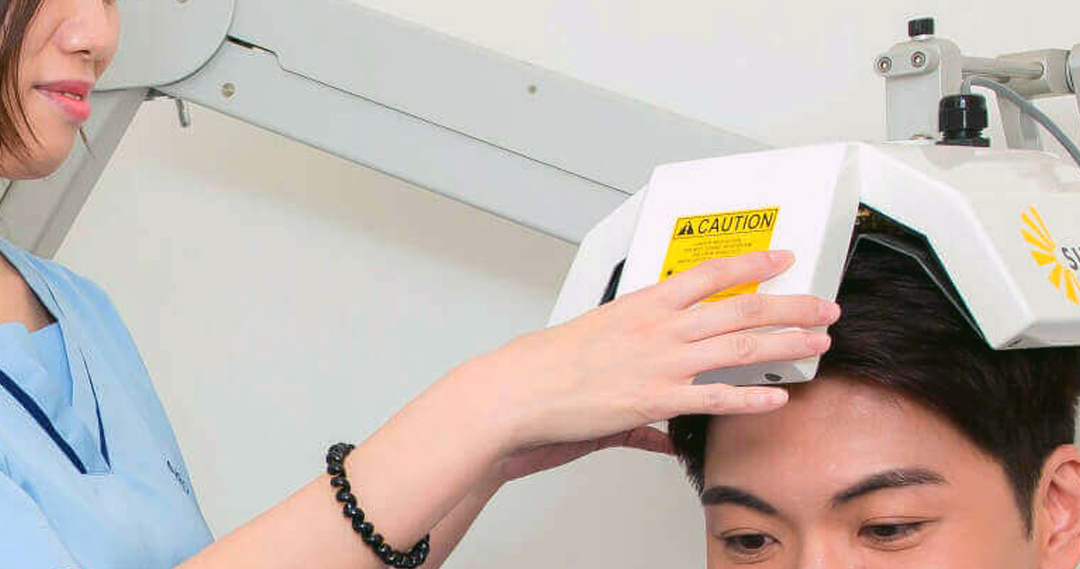
Mechanism of Action
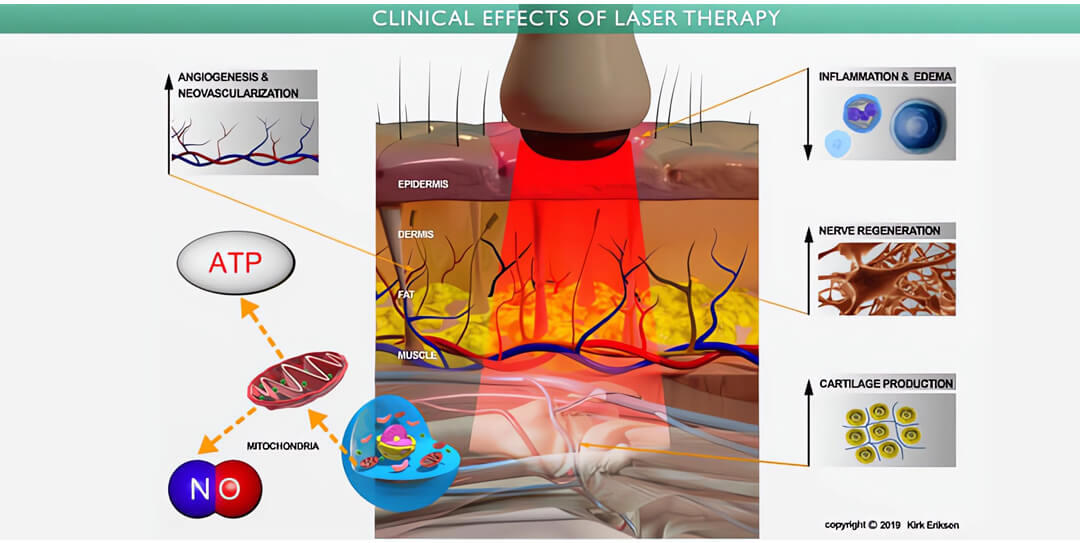
- Mitochondrial stimulation: Photons absorbed by cytochrome c oxidase increase ATP production.
- Enhanced microcirculation: Promotes vasodilation, increasing blood flow to follicles.
- Inflammation modulation: May reduce pro-inflammatory cytokines.
- Extended anagen phase: May prolong active growth period of the hair cycle.
Post-Operative Application
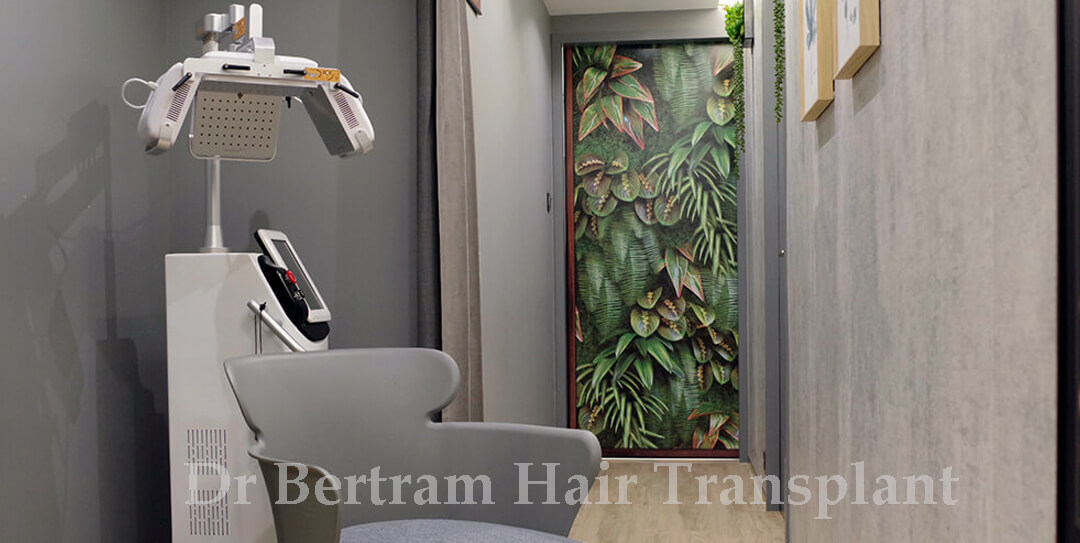
LLLT is offered post-operatively to support wound healing
Potential Benefits (Days 1–7)
- Inflammation reduction: May decrease post-surgical redness and swelling.
- Graft support: May improve microcirculation during the anchoring phase.
- Shock loss mitigation: May minimize temporary shedding of surrounding native hair.
Clinical Protocol
Post-operative LLLT typically involves short, controlled sessions starting 24–48 hours after the procedure. This is an adjunctive therapy, not a substitute for standard aftercare.
Clinical Considerations
Dose Response
LLLT follows a biphasic dose response — insufficient or excessive energy may not produce optimal results.
Device Quality
Effective LLLT requires appropriate wavelength (650–670 nm) and sufficient power density. Not all devices are equivalent.
Cannot Revive Dead Follicles
LLLT cannot revive completely fibrosed follicles. It is an adjunct to, not a replacement for, medical or surgical treatment.
Consistency Required
Benefits are transient. Discontinuation typically leads to reversal of any gains.
Frequently Asked Questions
Q: When should LLLT be started after a transplant?
Typically 24–48 hours post-procedure, as part of the aftercare protocol.
Q: Does LLLT prevent shock loss?
It may help minimize temporary shedding of surrounding native hair caused by surgical trauma.
Q: Can LLLT replace medical therapy?
No. LLLT is less effective than standard medical therapies and is best used as an adjunct.
Q: Are home-use LLLT devices effective?
Results vary by device. Patients should discuss options with their physician.