
FUE : The 4th Generation Approach
From Speed & Volume to Donor Preservation
The Preservation Era
Modern FUE tools offer speed and volume, but may cause irreversible donor depletion if not carefully managed. Your donor hair supply is finite; once wasted, it cannot be replaced.
Hair loss is not static. Androgenetic alopecia — responsible for 95% of hair loss in men and 65% in women — progresses with age. A patient who looks good today may need a second procedure years later.
Young patients, in particular, face a lifetime of managing hair loss. Once the donor area is overharvested, there is no backup. No repair. No touch-up. Just a permanent reminder of a short-term decision.
4th Generation FUE Approach
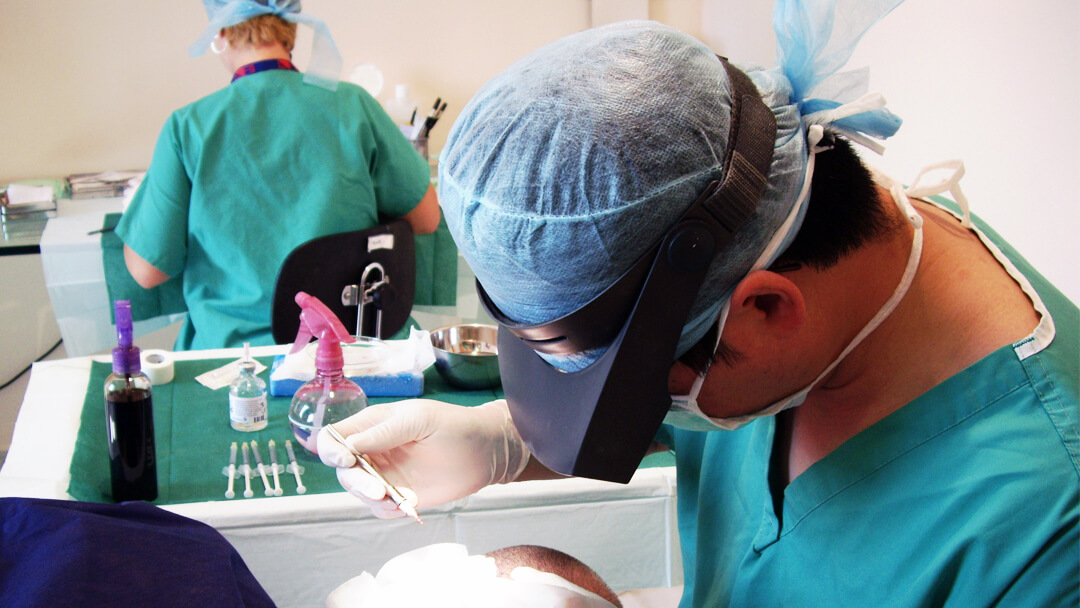
The global trench as advocated by ISHRS is the 4th Generation Approach, which overcomes the drawbacks of standard FUE by combining conservative planning, meticuluous technique, as well as biotechnology to protect your donor graft reserve. The goal is to maximize today's result while securing your options for tomorrow.
4G-FUE is not a marketing slogan. It is a response to the Donor Pepletion Crisis.
4G Protocol is not about how many grafts we can extract in one session, it is about how many grafts we leave behind for your future.
4G is not a single technique, but a system combining sequential FUE, key area transplant, and graft survival enhancement.
This is not a personal technique, but an approach any responsible surgeon should adopt.
Limitations of Standard FUE
1. Lifetime Budget
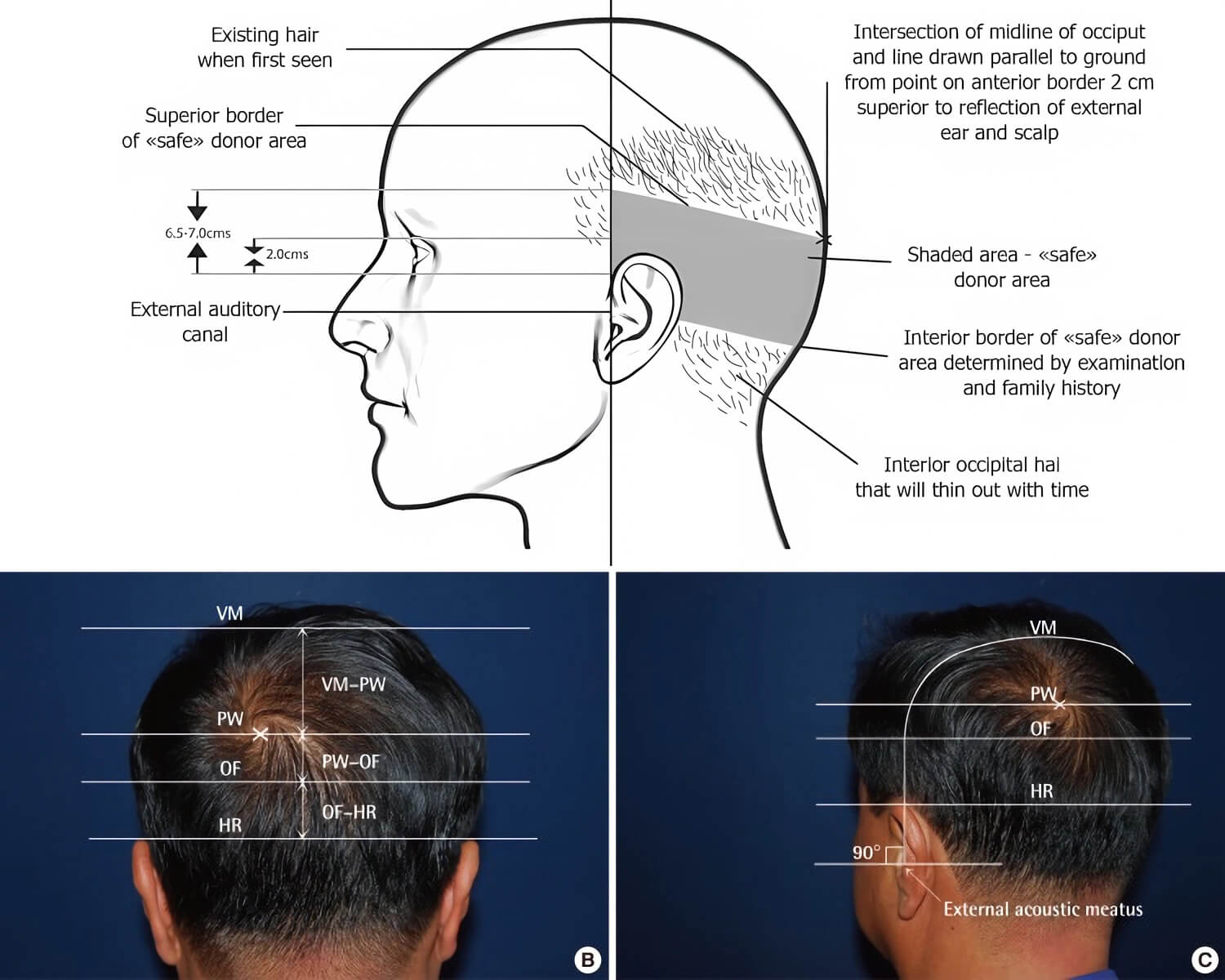
The average patient has 4,000–8,000 grafts available in a lifetime. Harvesting outside the safe donor zone risks non-permanent hair. Exceeding 50-60% of donor density creates visible "moth-eaten" thinning — often impossible to repair.
Read About Lifetime Graft Reserve →2. Donor Depletion
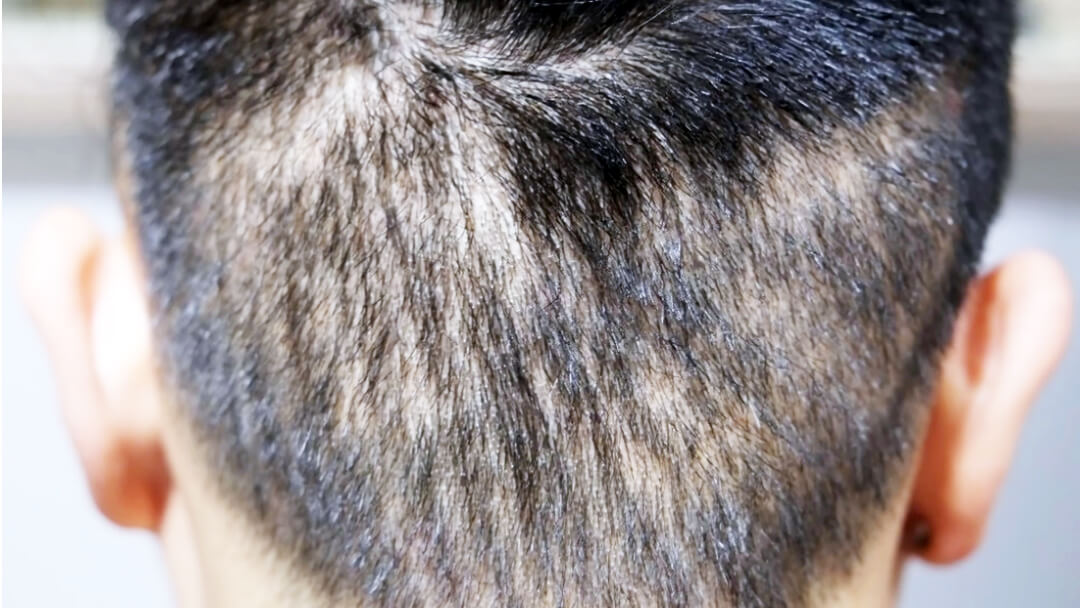
- Donor depletion: Commercialized "hair factories" prioritize volume over preservation, leading to irreversible "moth-eaten" donor areas.
- Per-graft pricing trap: Financial incentive to extract more grafts than medically necessary.
- No long-term planning: Fails to account for progressive hair loss, resulting in unnatural "Kappa" hairlines.
- Ethnic limitations: Standard protocols often fail in Asian hair due to thicker shafts and subcutaneous curvature.
Technical Pillars of 4G-FUE Protocol
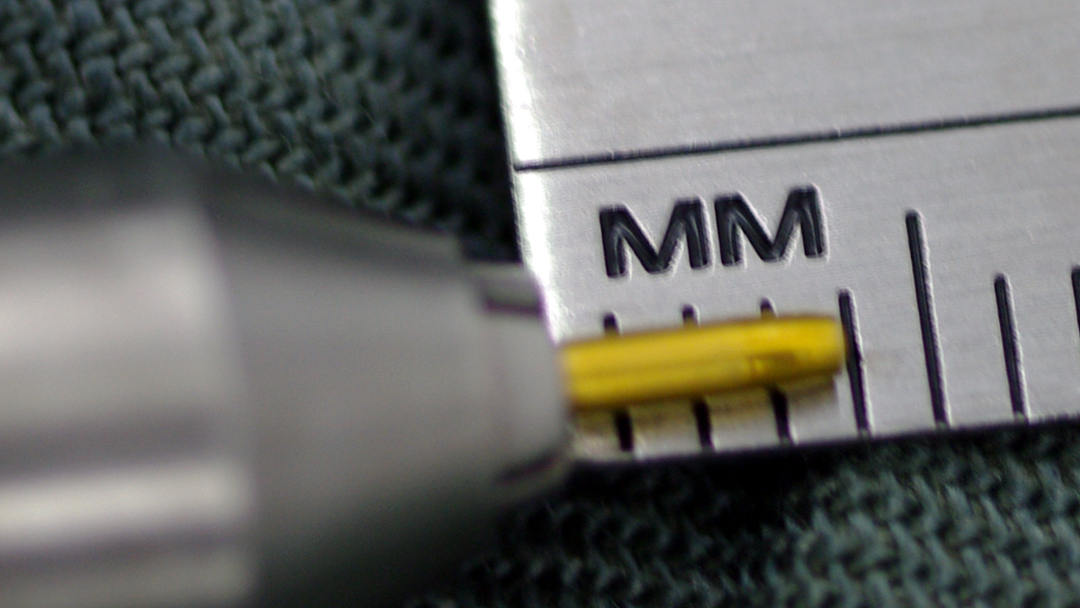
0.8mm Diameter Punch
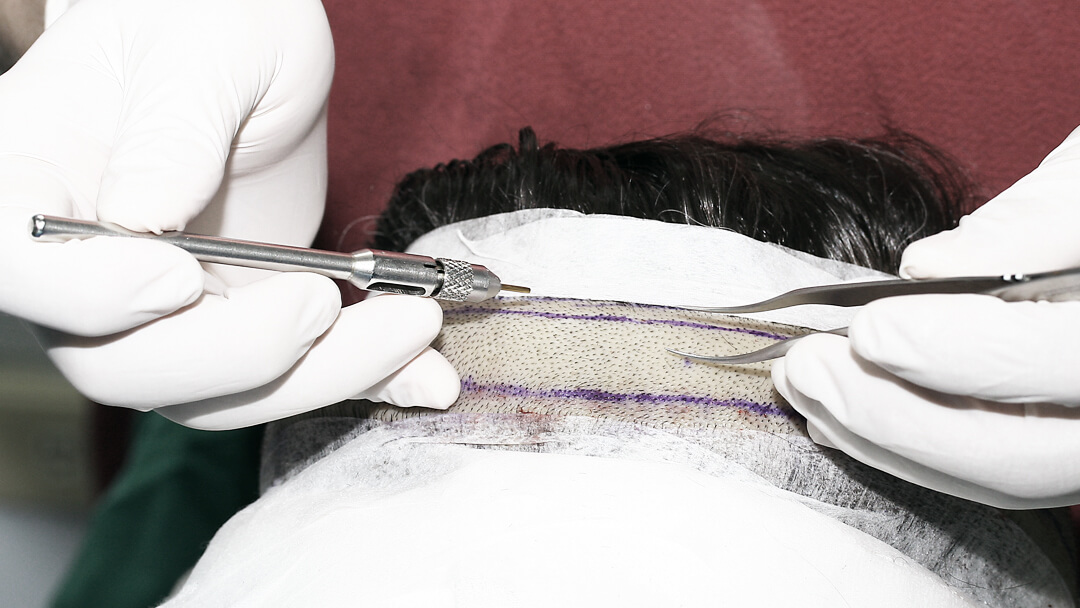
Sequential 2-Hand Technique
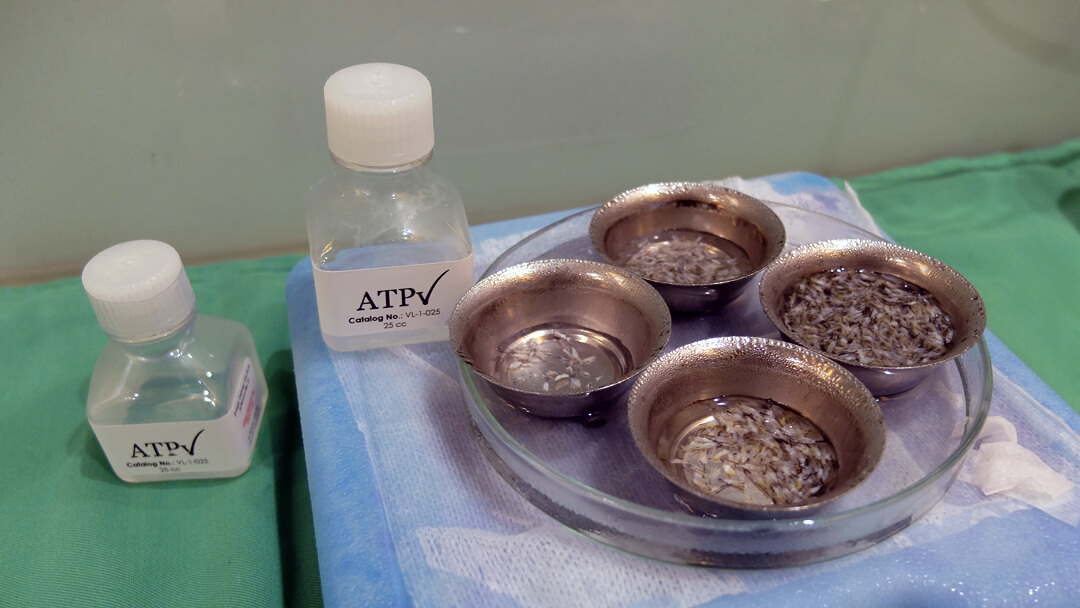
3. Bio-Enhancement
Read More
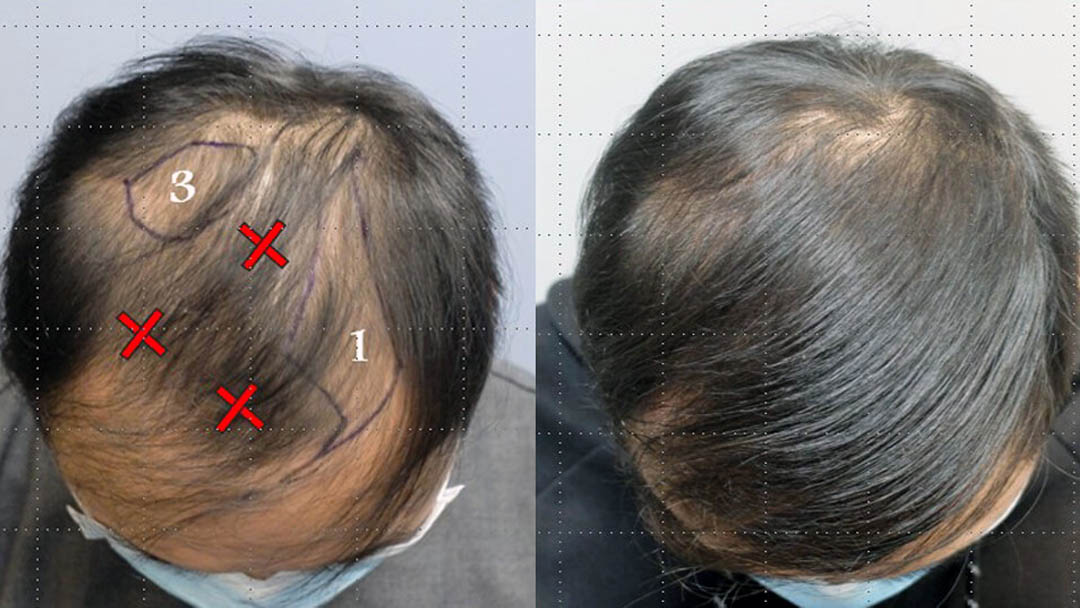
4. Key Area Planning
Read More
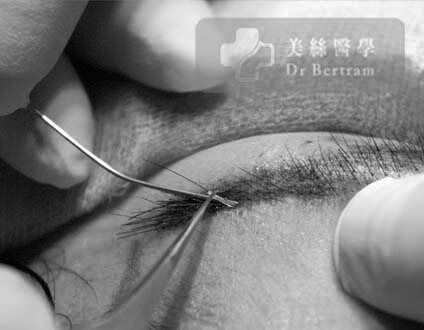
5. No-Touch Implantation Technique
Read More
Less Is More : The 30-50% Visual Threshold
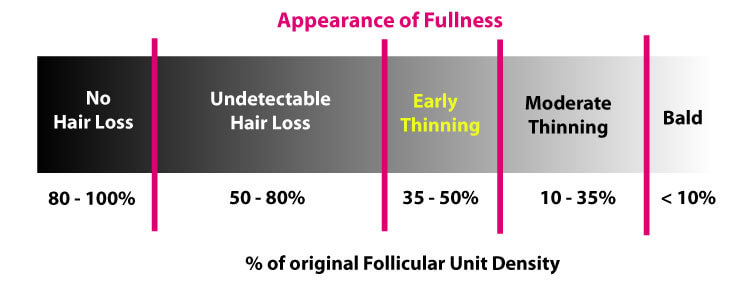
Normal Fullness
Still Perceived as full
Visible thinning
Perceived as bald
The human eye perceives approximately 50% of original density as "full." Below 30%, the scalp remains visible. Spreading grafts evenly across a large balding area results in sub-threshold density everywhere.
4G Protocol
For average coverage there is no need to increase density over 50% of original, thus preserving some for future use.
Asian Hair Adaptations
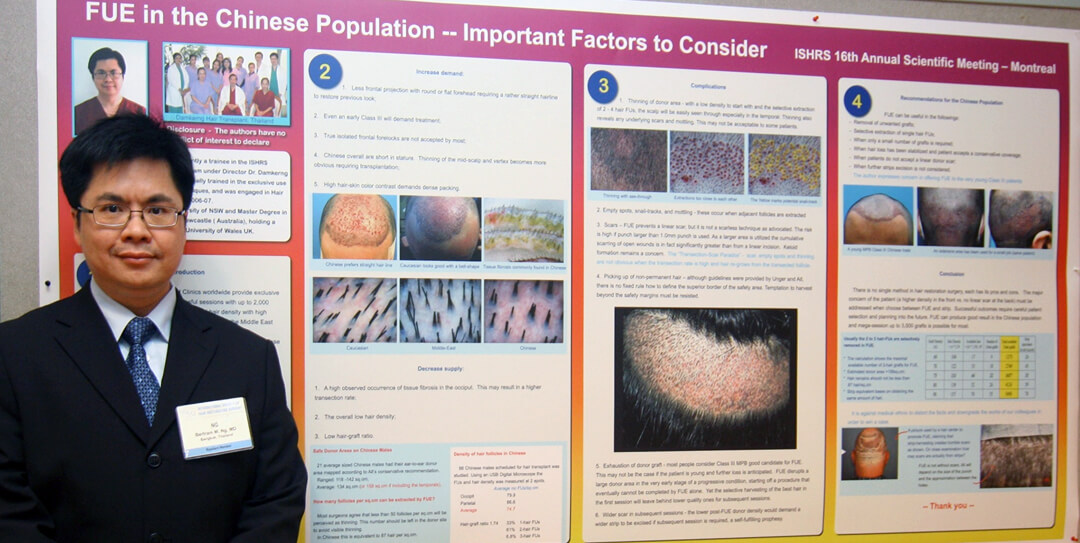
Standard European FUE protocols often fail in Asian populations due to:
- Subcutaneous curvature: "J-hook" or "S-shape" follicles increase transection risk.
- Thicker hair shafts: Require 0.8mm punches (smaller risks follicle damage).
- Lower donor density: Some subgroups have fewer FU/cm², requiring conservative harvesting.
4G Protocol
5-step extraction technique ( indentation → scoring → test extraction → deep dissection → re-extraction ), vari-handles for depth control, curved forceps for reduced trauma.
Our Publication
- "FUE in the Chinese Population" - Hair Restoration for Asians, Springer, 2009.
- "Follicular Unit Extraction: Experience in the Chinese Population" — ISHRS Forum International, 2009.
- "FUE in Asian Population" - Hair Transplantation (Korean Edition), 2012.