
Alopecia Areata ( AA )
Is Hair Transplant Recommended ? A cautious, evidence-based approach to autoimmune hair loss.
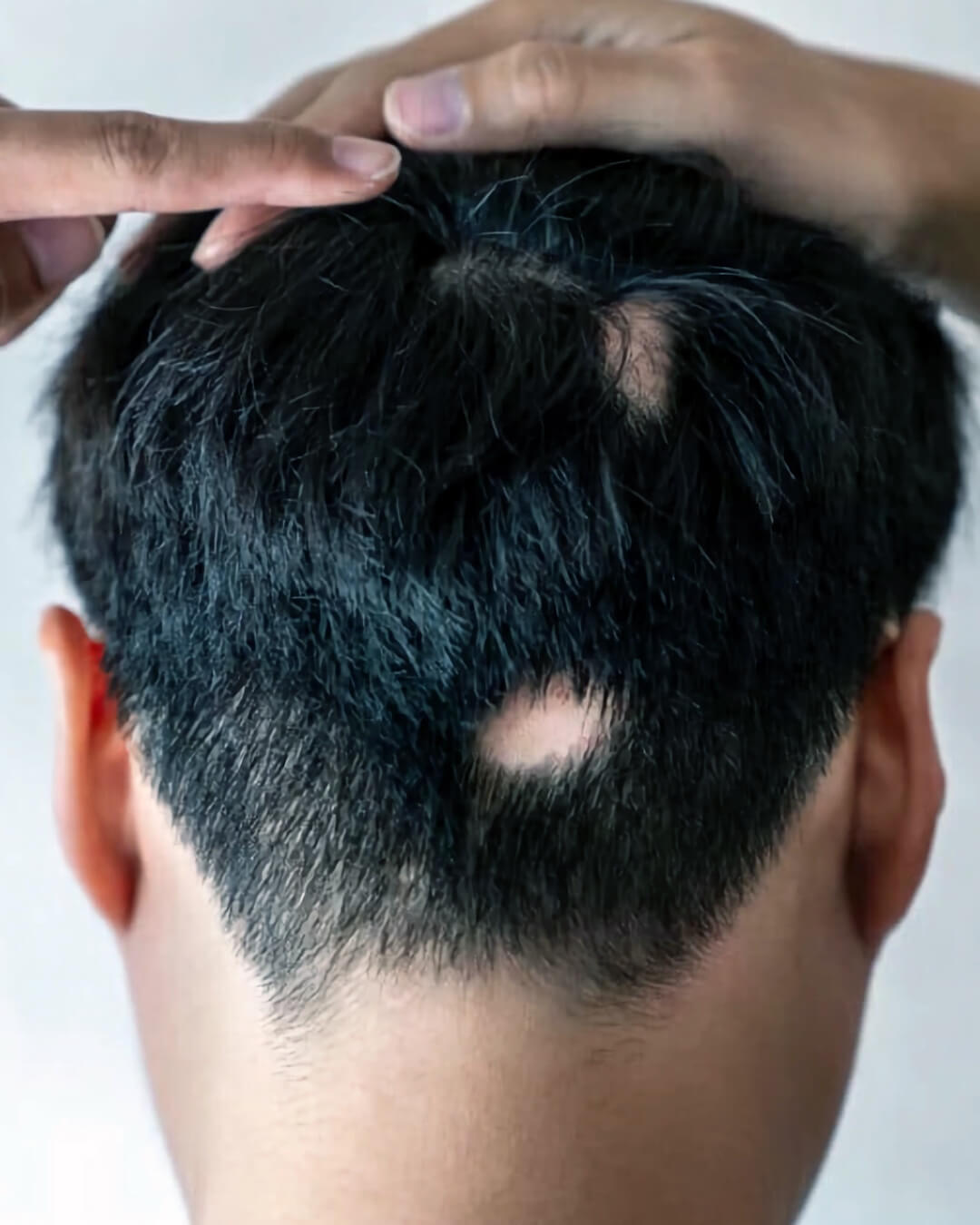
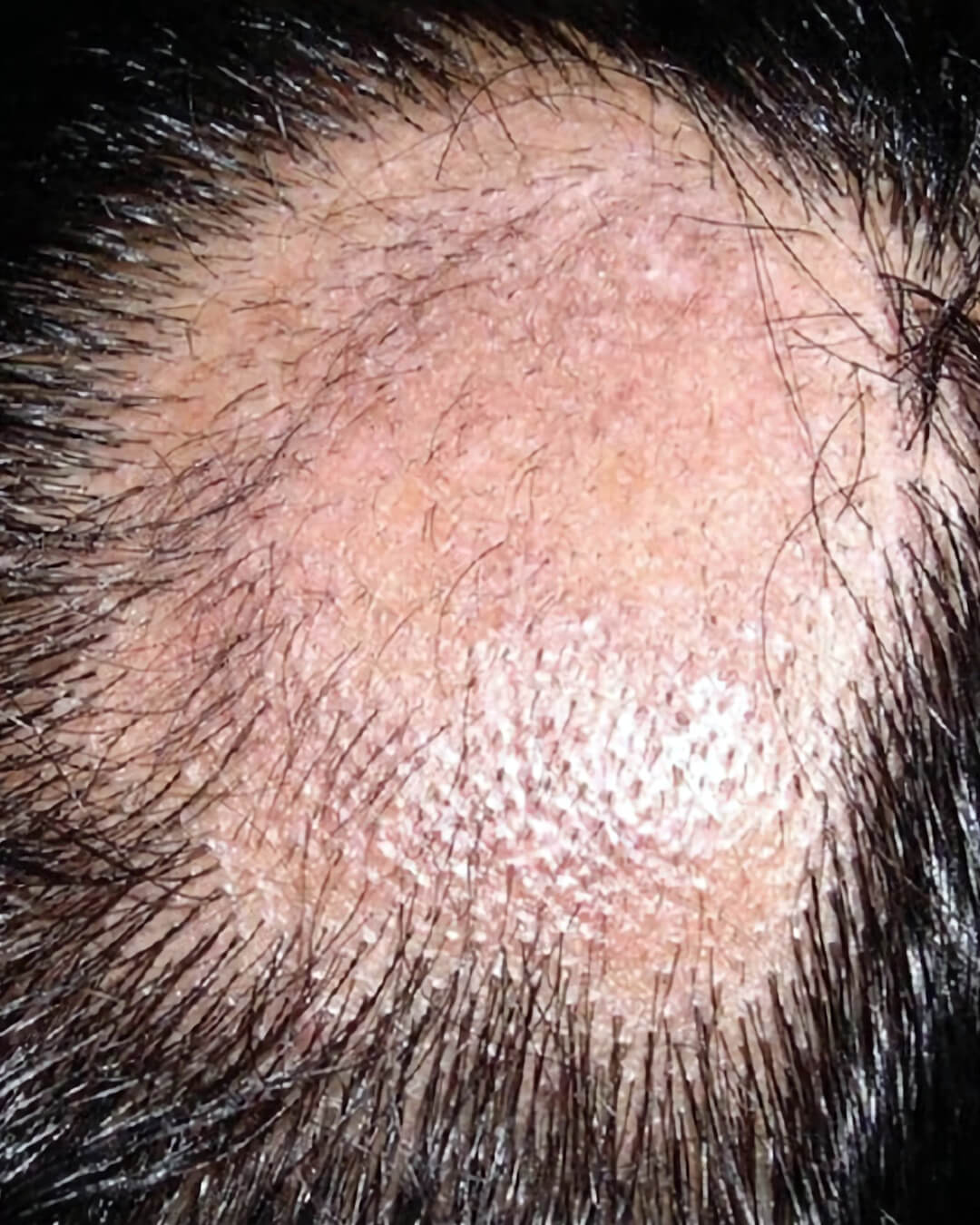
What Is Alopecia Areata?
Alopecia Areata (AA) is an autoimmune condition where the body's immune system mistakenly attacks its own hair follicles. This results in sudden, often patchy, hair loss on the scalp, eyebrows, or beard.
How Does It Differ from Genetic Baldness?
Unlike Androgenetic Alopecia (male/female pattern hair loss), AA is not driven by hormones or genetics alone. It is an internal immune response.
- Unpredictable Course: Patches may regrow spontaneously, remain static, or expand rapidly. This uncertainty is the core challenge in treatment.
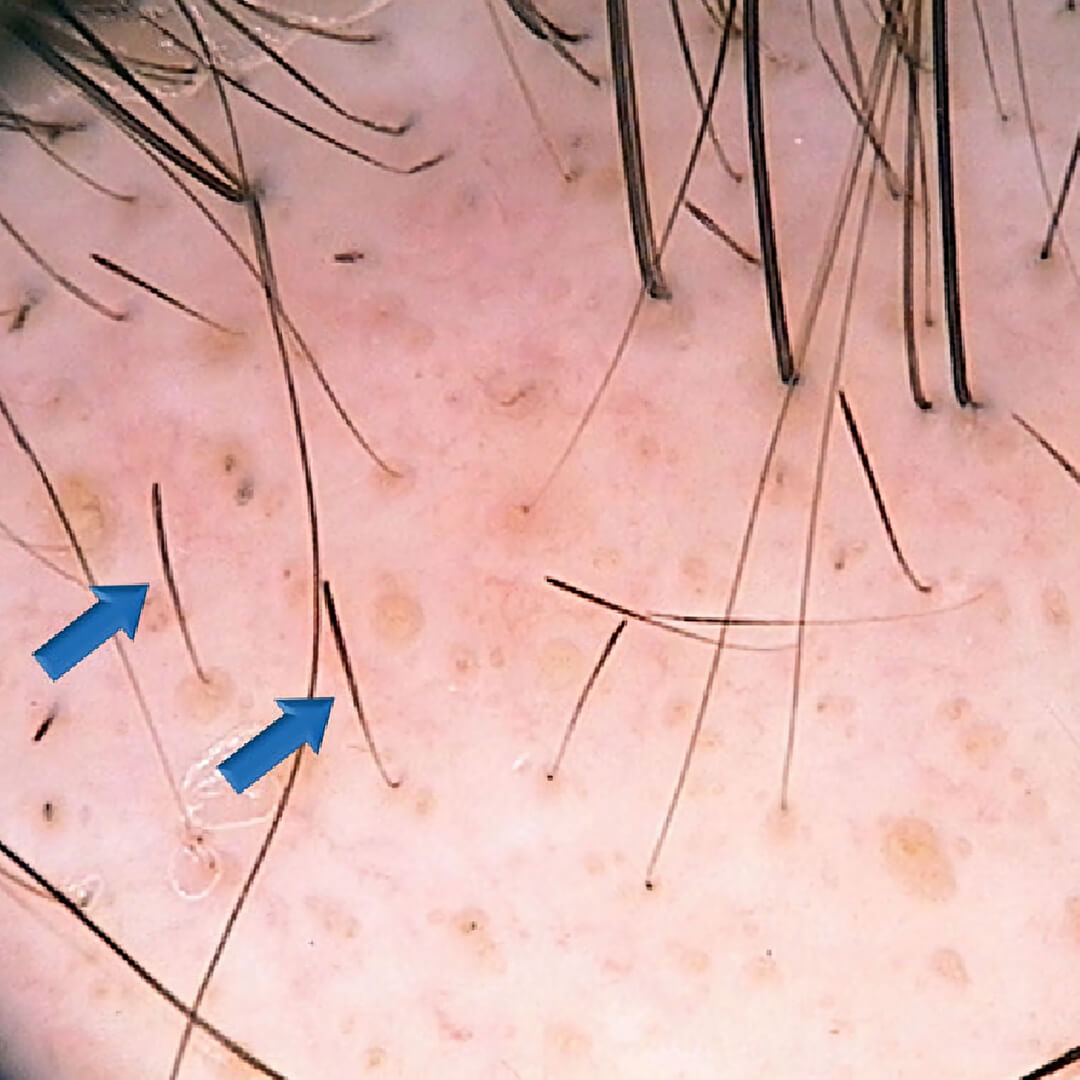
- "Exclamation Mark" Hairs: A clinical sign where short, broken hairs taper at the base, found at the edges of active bald patches.
- Systemic Nature: It can be associated with other autoimmune conditions, requiring a holistic medical review.
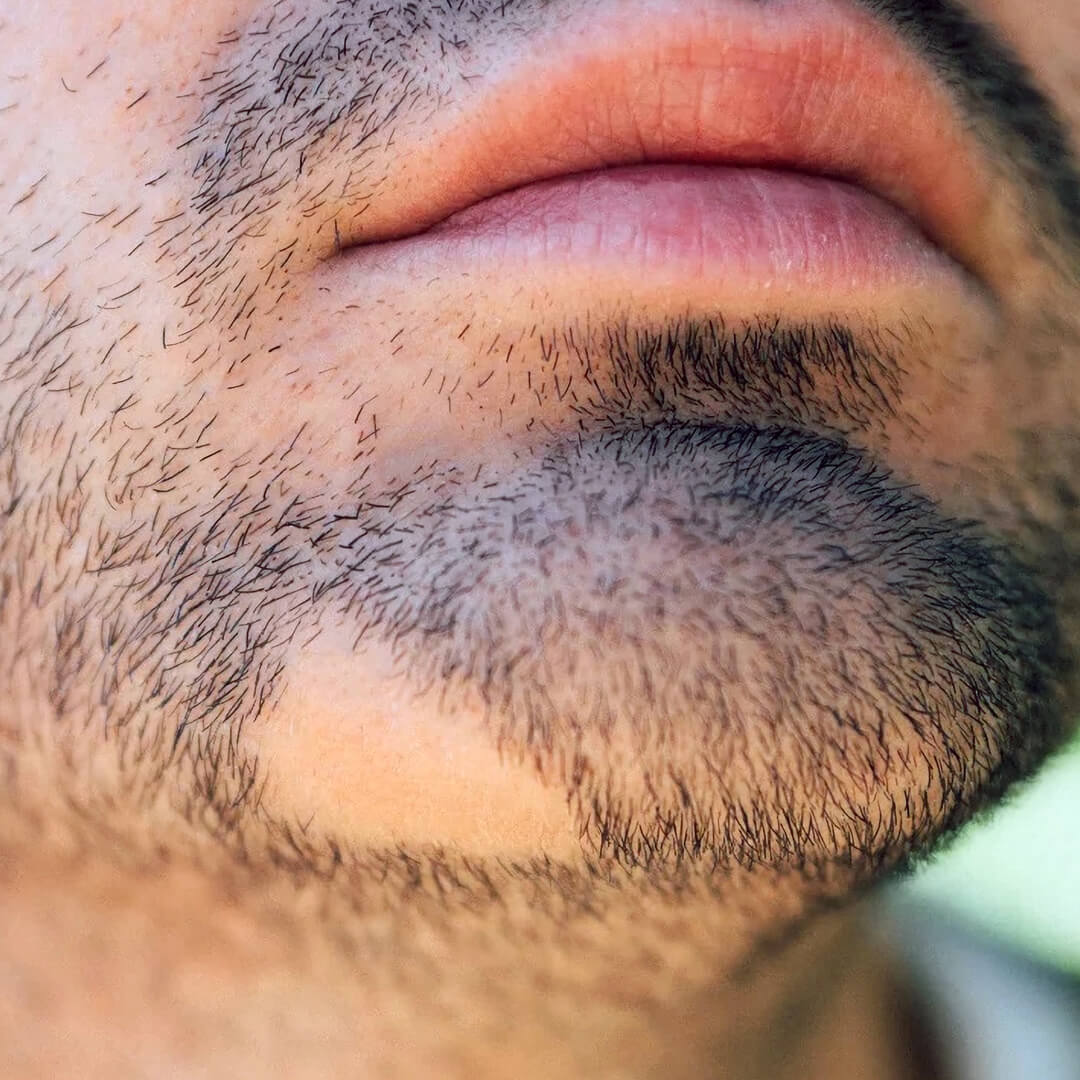
Why Is Hair Transplant High-Risk for AA?
While hair transplantation is highly successful for pattern baldness, it poses unique and severe risks for patients with Alopecia Areata. Most medical professionals advise against surgery unless exceptional criteria are met.
What Are the Specific Dangers?
1. The Koebner Phenomenon
This is a critical risk where surgical trauma (such as creating recipient sites for grafts) triggers new Alopecia Areata patches exactly at the injury site. This can result in the loss of both the newly transplanted grafts and the surrounding native hair, worsening the original condition.
2. Grafts Are Not Immune
Hair follicles harvested from the "safe" donor area (typically the back of the scalp) are not resistant to the autoimmune attack. If the underlying condition becomes active again, the transplanted hair can fall out just like the natural hair did.
3. Unpredictable Disease Course
Alopecia Areata can flare up after years of apparent stability. A transplant that appears successful today could be completely lost tomorrow during a relapse, leading to significant emotional distress and financial loss.
When Is Surgery Considered?
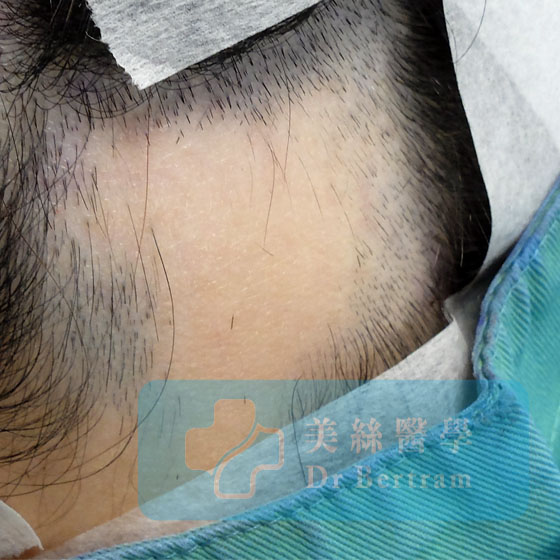
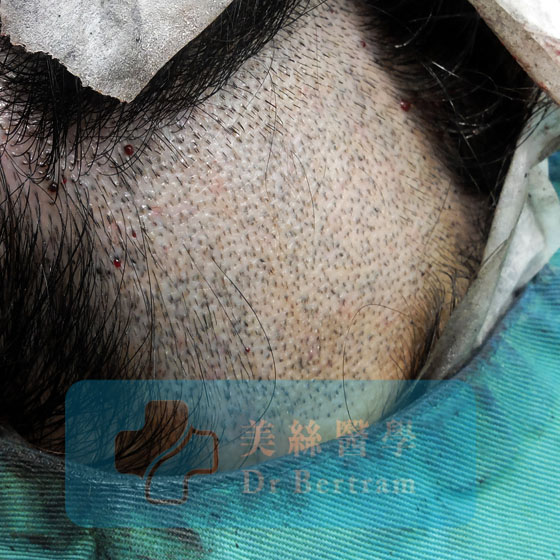
Due to the high risks, surgical intervention is rarely recommended. It may only be considered if ALL of the following strict criteria are met. This rigorous protocol prioritizes patient safety over procedural volume.
What Are the Mandatory Criteria?
- Complete Stability: No new patches, no expansion of existing patches, and no hair loss activity for a minimum of 2 years. This duration is non-negotiable to minimize relapse risk.
- Medical Proof: A scalp biopsy may be required to confirm the absence of active inflammation (peribulbar lymphocytic infiltrate) at the microscopic level.
- Failed Medical Therapy: Standard treatments (such as corticosteroid injections or topical immunotherapy) must have been attempted and proven ineffective for the specific stable patch.
- Informed Consent: The patient must fully understand that AA is a lifelong condition. There is a clear acknowledgment that grafts could still be lost to a future flare-up, despite all precautions.
If any of these conditions are not met, surgery is typically declined to prevent poor outcomes.
What Is the Preferred Treatment Path?
For the vast majority of patients, non-surgical medical management is the correct and safest approach. The goal is to control the immune system rather than simply replacing lost hair.
What Are the Primary Options?
- Corticosteroid Injections: The first-line treatment. Injections directly into the bald patches suppress local inflammation and often stimulate regrowth.
- Topical Immunotherapy: Medications (like DPCP) applied to the skin to modulate the local immune response and distract it from attacking hair follicles.
- JAK Inhibitors: Newer oral medications (e.g., baricitinib, ruxolitinib) approved for severe, widespread Alopecia Areata. These target specific pathways in the immune system.
- Topical Minoxidil: Often used as an adjunct to support hair growth once inflammation is controlled.
Successful control of the immune response is the foundation of any long-term plan. Surgery is only a distant consideration after medical options have been exhausted and stability is proven.
FAQ
Q: My patch has been stable for 1 year. Can I get a transplant?
A: No. A minimum of 2 years of documented stability is required. Relapses are very common within the first 24 months, and operating earlier poses an unacceptably high risk of graft loss.
Q: Will a transplant "cure" my Alopecia Areata in that spot?
A: No. A transplant does not alter the underlying autoimmune disease. It only surgically replaces hair in a specific area. If the immune system reactivates, the new hair is vulnerable.
Q: What if I just want to fix one small, old patch?
A: Even a single, small patch requires the same rigorous proof of long-term stability. The risk of the Koebner phenomenon (triggering new loss via trauma) exists regardless of the patch size.
Q: Can eyebrow transplants be done for AA?
A: The same strict rules apply. Eyebrow skin is also susceptible to the Koebner phenomenon. Stability must be proven for at least 2 years before any cosmetic enhancement is considered.
Summary
- Alopecia Areata (AA) is an unpredictable autoimmune condition, not standard genetic baldness.
- Surgery carries high risks: Trauma can trigger the Koebner phenomenon, causing new hair loss at the surgical site.
- Transplanted grafts are not immune: They remain susceptible to future autoimmune attacks if the condition reactivates.
- Strict criteria apply: A minimum of 2 years of documented stability is required before any surgical assessment is considered.
- Medical management (e.g., steroids, JAK inhibitors) is the primary and often most effective treatment path.